Insights Pathway
Pathway
MRI or biopsy first? How prostate diagnosis works now
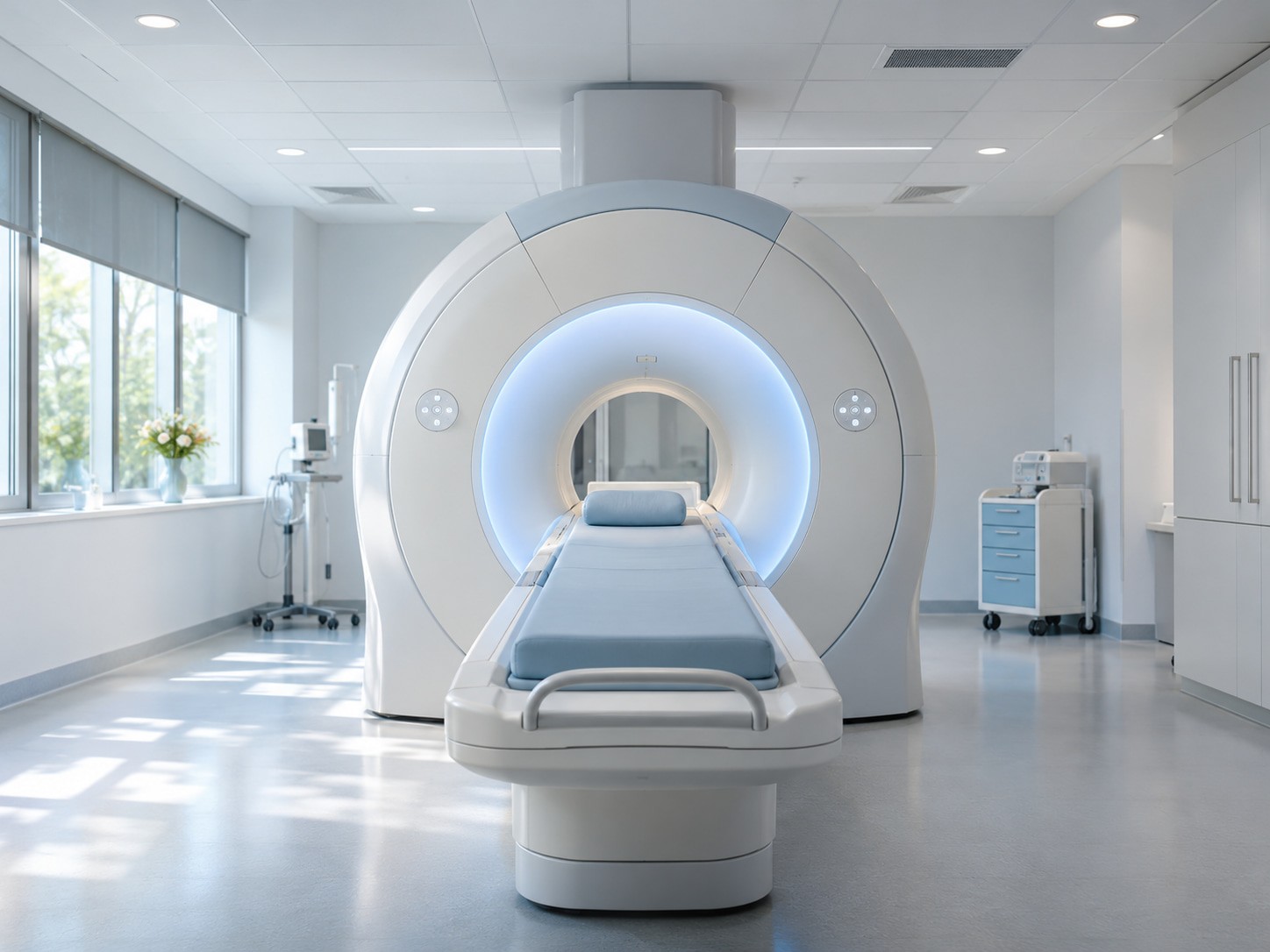
MRI comes first. Since 2019, UK guidance has put the scan before the biopsy, which means a suspicious PSA no longer leads automatically to needles.
6 min read · Last reviewed 14 November 2026
In short
- NICE has recommended MRI before biopsy since 2019. The old order — biopsy first, scan afterwards — is obsolete.
- The scan is scored on a 5-point scale. A low score may mean no biopsy at all.
- Research found that using MRI as a filter would avoid around 27% of biopsies.
- If a biopsy is needed, the scan tells the clinician where to aim, rather than sampling blindly.
- No scan is perfect, so a reassuring MRI is a shared decision rather than an all-clear.
If someone you know went through prostate investigation a decade ago, their experience is no longer a good guide to yours. The order of events has changed, and it changed for the better.
How it used to work
A raised PSA led to a biopsy. The biopsy took samples from around the prostate in a standard pattern, without knowing where any abnormality might be. It was, in effect, sampling in the dark.
That approach had two failings. It missed significant cancers when the needles happened not to pass through them, and it found small, slow-growing cancers that would never have caused harm. Meanwhile every man went through the procedure and its risks, including those who had nothing wrong.
How it works now
Since NICE published NG131 in 2019, the recommended route for suspected localised prostate cancer puts a multiparametric MRI scan first.
- A PSA blood test, an examination and a conversation about symptoms and risk.
- If there is concern, a multiparametric MRI scan of the prostate.
- The scan is reported on a 5-point scale indicating how likely clinically significant cancer is.
- A score of 3 or more normally means an MRI-targeted biopsy is offered.
- A score of 1 or 2 may mean no biopsy, decided together after discussing the risks and benefits.
The single most useful consequence: a raised PSA no longer leads automatically to a biopsy. The scan decides whether one is needed.
Why the order matters
The UK PROMIS study, which underpins much of this guidance, found that using MRI as a triage step — so only men with a suspicious scan went on to biopsy — would avoid around 27% of biopsies while reducing the diagnosis of low-risk cancers that did not need finding.
of biopsies avoided by using MRI as a triage step before biopsy
Source: PROMIS study
For the men who do need a biopsy, the scan changes the procedure itself. Instead of sampling the prostate in a standard pattern and hoping, the clinician can aim at the specific area the scan flagged. More signal, less noise.
What a reassuring scan does and does not mean
This deserves to be said plainly, because it is where reassurance can be overstated. A low score means clinically significant cancer is unlikely. It does not mean impossible.
Published estimates suggest that somewhere between 11 and 28 in every 100 men with a low-risk MRI nevertheless have clinically significant cancer. That is why NICE frames skipping the biopsy as a shared decision after discussing risks and benefits, rather than an automatic discharge — and why ongoing PSA monitoring often continues afterwards.
A reassuring MRI lowers the probability of significant cancer. It does not reduce it to zero, and any clinician who tells you otherwise is overselling it.
How long the pathway takes
On the NHS, an urgent referral for suspected cancer comes with waiting-time targets, though actual waits vary considerably by region and by period. Privately, each step can usually be arranged more quickly, which for some men is the main reason to consider it — the comparison is set out here.
Either way the sequence is the same. The pathway is national guidance, not a feature of any particular provider.
Common questions
Do I need an MRI before a prostate biopsy?
In current UK practice, yes. NICE has recommended multiparametric MRI as the first investigation before biopsy for suspected clinically localised prostate cancer since 2019. The scan determines whether a biopsy is needed and, if so, where to target it.
Can I avoid a biopsy if my MRI is clear?
Possibly. If the scan scores 1 or 2 on the 5-point scale, a biopsy may be avoided after you and your clinician have discussed the risks and benefits together. It is a shared decision rather than an automatic discharge, because a small proportion of men with a reassuring scan do still have significant cancer.
What does a score of 3 mean on a prostate MRI?
A score of 3 is the point at which an MRI-targeted biopsy is normally offered. It indicates an indeterminate or equivocal finding — not a diagnosis of cancer, but enough uncertainty that sampling the area is usually advised.
How long does the prostate diagnosis pathway take?
On the NHS, urgent suspected-cancer referrals carry waiting-time targets, though real waits vary by region. Privately, each step can usually be arranged more quickly. The clinical sequence — PSA, then MRI, then targeted biopsy if needed — is the same in both.
What happens if my biopsy finds cancer?
The samples are graded to indicate how aggressive the cancer appears, and further scans may be arranged to check whether it has spread. Those results guide the discussion about what to do next, which for lower-risk disease often includes active surveillance rather than immediate treatment.
Sources
This article is general information about prostate health, not personal medical advice. It cannot take account of your own symptoms, history or circumstances. If you have symptoms that concern you, speak to your GP or a qualified clinician. Last reviewed 14 November 2026.